We're Open 24/7. Tree Down? Call Now: (706) 430-2269
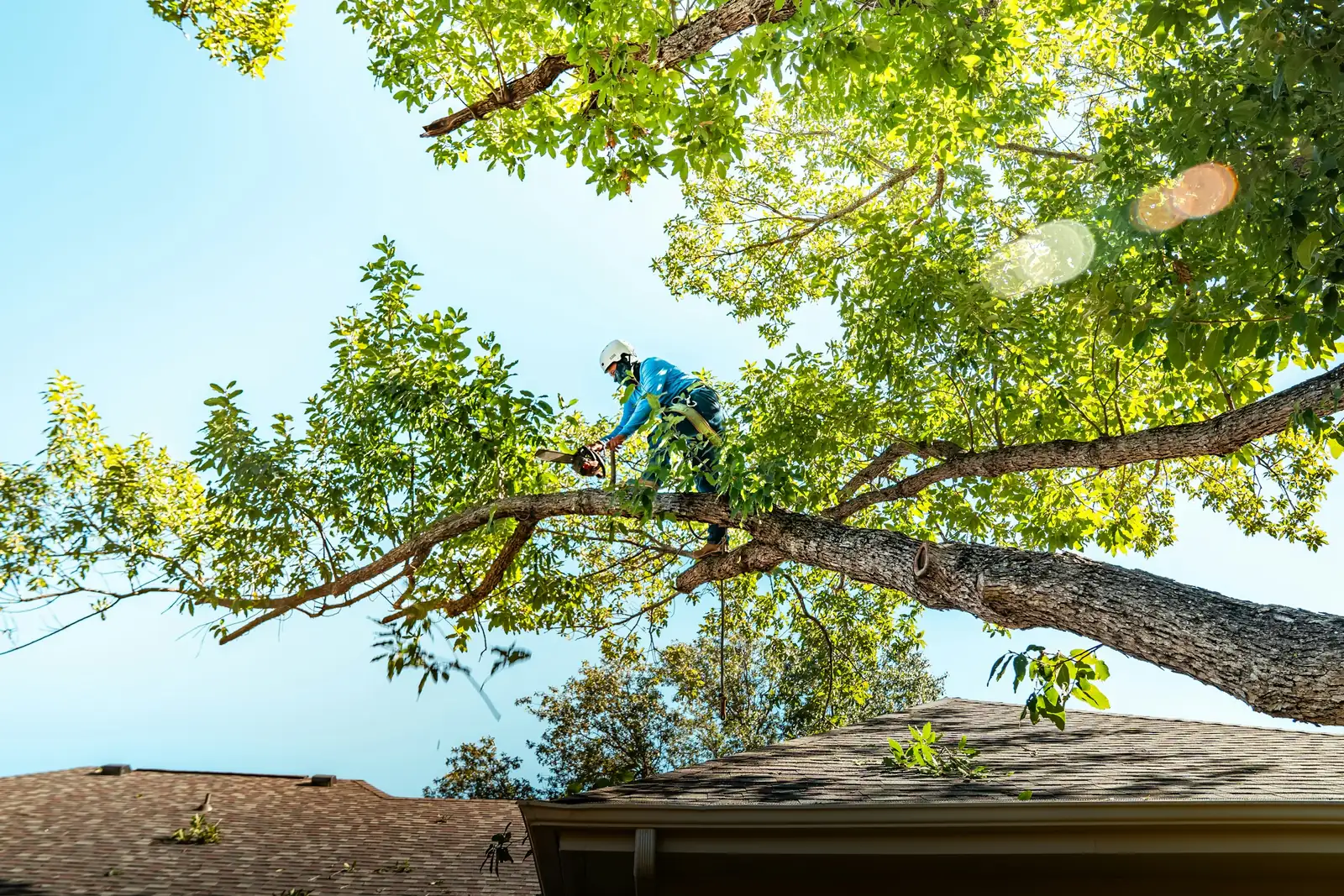
Tree climber trimming a large oak limb above a house roof on a sunny day
Tree Trimming & Care

Tree Health & Hazard Inspections in Columbus, GA

A walk-through of your trees with Billy Foster: dead wood, cracks, decay, and root trouble explained in plain language, and an honest leave-it answer when nothing needs doing.

  • Walk-through with Billy Foster
  • Before you buy a home
  • After storms or construction
  • Honest leave-it advice

Emergency services 24/7

  • Open 24/7Emergency services day or night
  • 4.8 Stars on GoogleFrom 67 customer reviews
  • Family OwnedBilly Foster & son
  • Columbus LocalBased on Williams Rd

If you want a tree health inspection in Columbus, GA, chances are one tree is bugging you: a crack you noticed after a storm, an oak over the bedroom that looks thin this year, or a pine you are not sure about. Foster's Tree Service offers a walk-through of your trees with Billy Foster, who owns the company with his son.

Billy explains what he sees in plain language. Some trees need work, some need watching, and some are fine. When a tree is fine, he will tell you to leave it alone, because cutting a healthy tree is money spent for nothing.

Looking up at the trunk and canopy of a mature oak during a tree health inspection in Columbus, GA
Tree Health & Hazard Inspections by Foster's Tree Service in Columbus, GA

What Our Columbus Tree Health Inspection Covers

Billy works from the ground up and looks at the same things every time:

  • The root zone. Mushrooms at the base, soil cracking or lifting on one side, cut or buried roots, and damage from trenching or paving.
  • The trunk. Cavities, loose or missing bark, long seams, cankers, and shelf-like fungal conks.
  • Branch unions. Tight V-shaped forks, bark pinched between stems, and cracks where big limbs attach.
  • The crown. Dead branches, hanging limbs, dieback at the top, and leaves that are smaller or paler than they should be.
  • Lean and balance. Whether a lean is old and stable or new, and whether the weight sits toward the house.
  • What is underneath. The roof, driveway, play set, or street a failure would hit, which shapes how urgent a problem is.

That list lines up with consumer guidance from the International Society of Arboriculture. Its Mature Tree Care brochure recommends inspecting mature trees at least once a year for four signs of vitality: new leaf or bud formation, leaf size, twig growth, and no crown dieback. Its Recognizing Tree Risk checklist adds questions about large dead branches, cracks, cavities, mushrooms at the base, recent construction, and past topping.

When a Tree Inspection Makes Sense

Before you buy a home

Big trees near the house come with the deed. Knowing their condition before closing helps you plan for the first few years.

After a major storm

Trees that stayed standing can still have cracked unions, hung-up limbs, or loosened roots that are hard to spot from the porch.

After construction nearby

Trenching, new driveways, grade changes, and heavy equipment over the roots can injure a tree in ways that do not show right away.

A tree that looks off

Early leaf drop, thin foliage, a dead top, or bark falling away from the trunk.

A pine that looks off

A thinning or discolored crown on a tall pine near the house is worth a look before it gets worse. Our pine tree removal page covers beetle signs in detail.

You just want to know

If one tree keeps you awake during storms, a walk-through settles the question either way.

How Billy Walks Your Trees

  1. Hear the history. Billy asks what worries you, when the tree last had work, and whether there have been storms, construction, or drainage changes nearby.
  2. Start at the ground. He checks the root flare, the soil around the base, and the lawn for mushrooms, heaving, or cut roots.
  3. Work up the trunk. Cracks, cavities, loose bark, conks, and old wounds get a close look, including whether the tree has closed over them.
  4. Read the crown. From more than one angle, he looks for dead wood, dieback, weak forks, and limbs stretched out over a target.
  5. Give a straight answer. Each tree gets one of three calls: leave it, prune or support it, or plan to remove it. What happens next is up to you.

Inspection Options Compared

OptionBest ForWhat to Expect
Single-tree lookOne tree you are worried aboutA focused check from roots to crown and a clear recommendation
Whole-yard walk-throughHome buyers, new owners, or yards with several big treesEvery significant tree reviewed, with priorities sorted from urgent to someday
After-storm checkYards hit by wind, lightning, or saturated soilFocus on fresh cracks, hung-up limbs, root movement, and anything over the house

A walk-through is a visual check from the ground, not a lab test. If a tree needs work afterward, the next step might be tree trimming and pruning, cabling and bracing for a weak fork, or dead and hazardous tree removal.

What Affects the Cost of a Tree Inspection

  • Number of trees. One oak takes less time than a lot full of mature hardwoods and pines.
  • Property size and layout. Trees spread across a large lot or down a slope take longer to walk and see from every side.
  • Purpose of the visit. A quick answer on one tree is simpler than a full rundown before a home purchase.
  • Need for a closer look. Some defects high in the crown can only be judged by climbing, which is a separate step.
  • Timing. A routine visit is scheduled normally, while a call during a storm is emergency work.

What Billy Sees in Columbus Yards

Some patterns come up again and again here. Water and laurel oaks don't live as long as white oaks, and they often rot from the inside as they get older, so in older neighborhoods like Midtown and Wynnton a full, green crown can sit on a trunk that is hollowing out. If you are buying in an established neighborhood like Cascade Hills, the big trees may be as old as the house.

Newer north Columbus subdivisions have a different issue: tall loblolly pines left standing when the houses went in. The ISA's Avoiding Tree Damage During Construction brochure explains that closely spaced trees grow as a community, and removing some exposes the rest to sunscald stress or structural failure. It adds that construction damage may take many years to show, so a pine that looked fine at closing can still be worth checking now.

Why choose Foster's

Why Columbus Calls Foster's for Tree Health & Hazard Inspections

2 Gens

Walk the Yard With an Owner

Foster's is a family business owned by Billy Foster and his son, and Billy is the one who walks your trees with you. When Joe Turner asked him to evaluate a split oak limb at his school, Joe came away describing Mr. Foster as very kind and generous with his decision. You get the read of someone whose own crews climb, prune, and take down trees like yours, explained without jargon.

Fair Price

Straight Numbers When Work Is Needed

A walk-through only helps if the follow-up work is something you can act on. When customers describe what Foster's charged, they say the price is fair (Mike Catterton), reasonably priced (JoAnn Wright), and very acceptable (Will). If Billy finds a tree that needs pruning, cabling, or removal, you hear what it involves and what it costs before anything is scheduled, and you decide what happens next.

24/7

Open 24/7 When the Answer Is Not Wait

Most walk-throughs end with a short list: prune this, watch that, leave the rest alone. Now and then Billy finds something that should not wait, like a cracked union over a bedroom or fresh soil heaving at the base of a leaning tree. Foster's offers emergency services 24/7, so a tree that turns dangerous after the visit, or during the next storm, still gets the same people who already know it.

Real Google reviews

What Customers Say About Foster's

Rated 4.8 out of 5 from 67 Google reviews. These are customers' own words.

Review screenshot
Google Review

“We had a huge limb to split off of an old oak tree and the limb got hung up/suspended in limbs of another tree over the rear part of our parking lot... Mr. Foster came quickly on a Friday after 5:30 p.m. ... They expertly and methodically took care of the situation in a short time and left the area very clean with a neat stack of firewood.”

Joe TurnerHallie Turner Private School
Review screenshot
Google Review

“I called around to find a company to cut down one oak tree that was dying. Foster's quoted the lowest price. They called me 30 minutes ahead of the scheduled time which was great. The crew got there and set up the trucks while putting orange cones on the street around the trucks. It didn't take them long to cut down the tree and throw the tree and branches in the dump truck. Afterwards they raked up all the small stuff and blew off the street. All three guys were super friendly and very professional. They did an outstanding job. Highly recommend!”

Brent ParkerRemoved one dying oak
Review screenshot
Google Review

“Billy and the boys take care of business. We had a lightning strike and they came out immediately to remove the tree and ensure no damage was done to the house. I have used their service multiple times and price is fair and results are first rate. Highly recommend”

Mike CattertonLightning strike
Common questions

Tree Health & Hazard Inspections FAQ

What happens during a tree inspection with Billy?

Billy walks the yard with you, looks at each tree from the root flare up to the top of the crown, and asks about its history: recent storms, construction, drainage changes, or old pruning. He points out what he sees as he goes and explains it in plain terms. You leave knowing which trees need work now, which to keep an eye on, and which are fine as they are.

Should I have the trees looked at before buying a house?

It is worth it when big trees stand close to the house, the driveway, or a neighbor's roof. Those trees come with the property, along with whatever care they need. A walk-through can flag dead tops, cracked unions, or decay before closing, so you know whether you are buying a few years of normal upkeep or a removal you will want to plan and budget for.

What can I check on my own between visits?

Quite a bit, from the ground. Once or twice a year, and after any big storm, walk around each large tree. Look for new cracks, dead branches, mushrooms at the base, soil lifting on one side, or a lean that was not there before. Compare the leaves to the same tree last summer, since smaller, paler, or thinner foliage is worth mentioning when you call.

Can you tell if a tree is hollow inside?

Not always from the outside, but there are clues. Cavity openings, shelf-like conks on the trunk, bulges or flattened areas where the tree has added extra wood, and long seams can all point to decay inside. ISA guidance notes that asymmetric shapes may signal an internal problem. If the clues add up and the tree stands over the house, Billy will tell you plainly whether it can stay.

Will you tell me if a tree does not need any work?

Yes. If a tree looks healthy, Billy will say so and recommend leaving it alone. Pruning a healthy tree without a reason just creates wounds, and removing a sound shade tree throws away something that took many years to grow. If something only needs watching, he will tell you what to look for and when another look would be worth it.

Emergency services 24/7

Ready to Get Your Trees Handled?

A dangerous tree won't wait for business hours, and neither do we. Call Foster's Tree Service and talk to a Columbus family business that picks up 24/7.

Call (706) 430-2269